The Chronicle · 1849 — Today
A Valley, a Leaf, and a Heritage Shaped by Time
The story of Kangra tea is a story of place, patience and generations of craftsmanship.
In the foothills of the Dhauladhar range, tea has been cultivated since the mid-nineteenth century. Shaped by the mountain climate, distinctive soils and the rhythms of the seasons, Kangra has developed a tea heritage that is uniquely its own. At The Himalayan Tea Company, we draw inspiration from this remarkable origin — bringing the character of Kangra and the quiet beauty of the Himalayas to every tea experience.
Chapter 01
Valley of the Gods
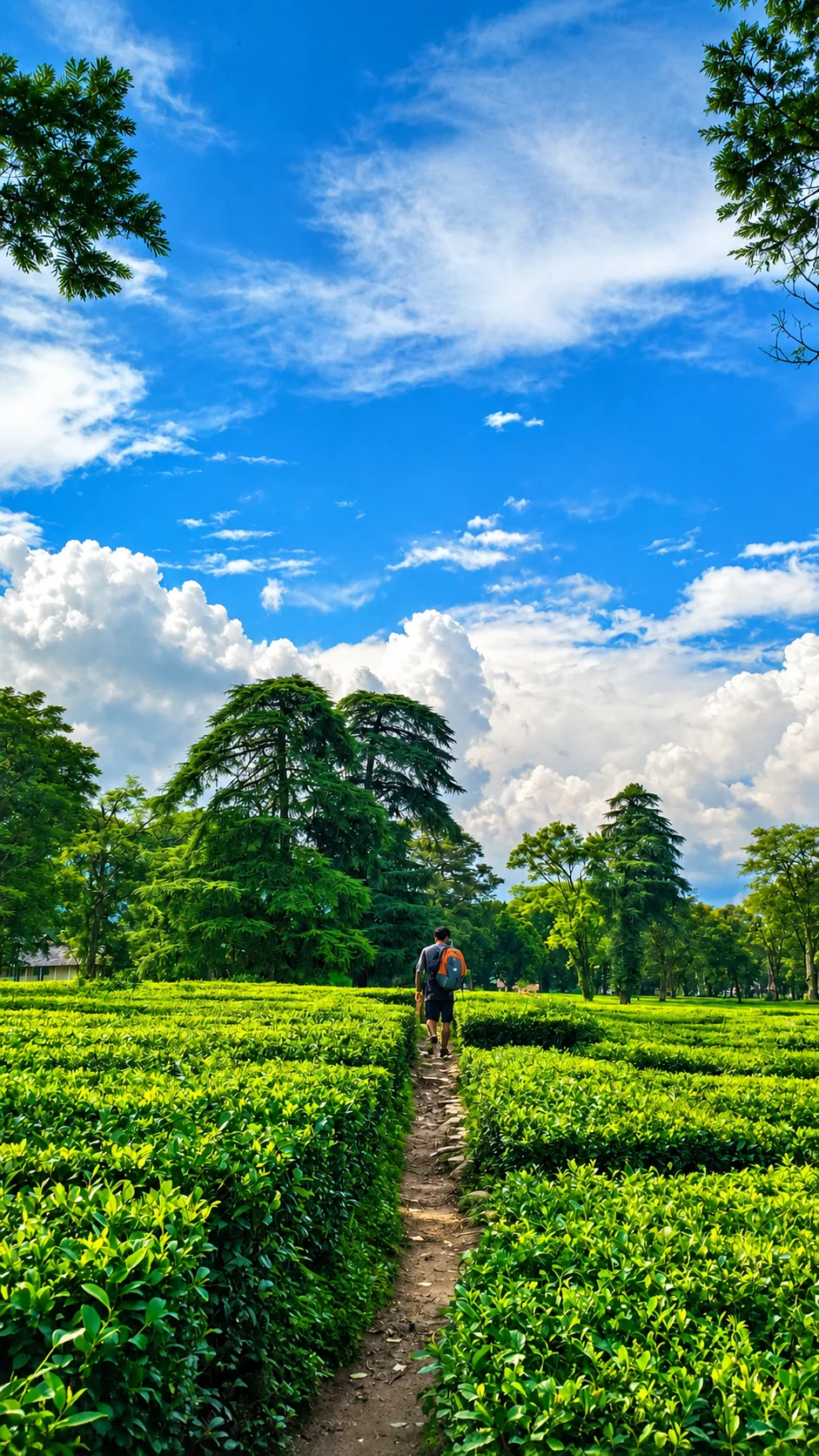
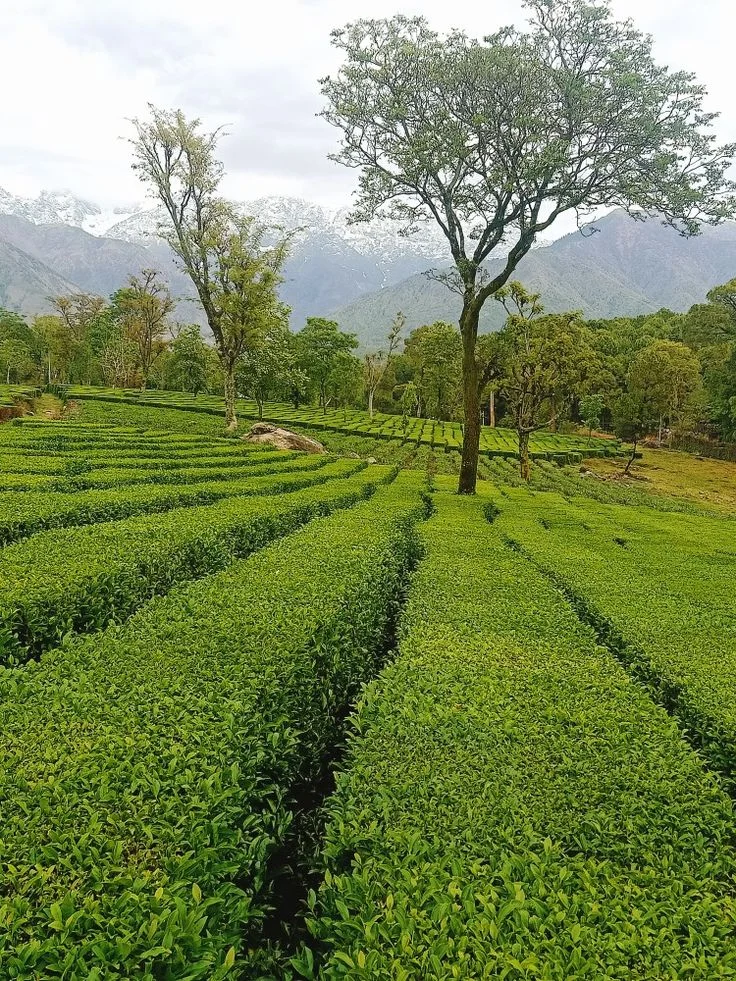
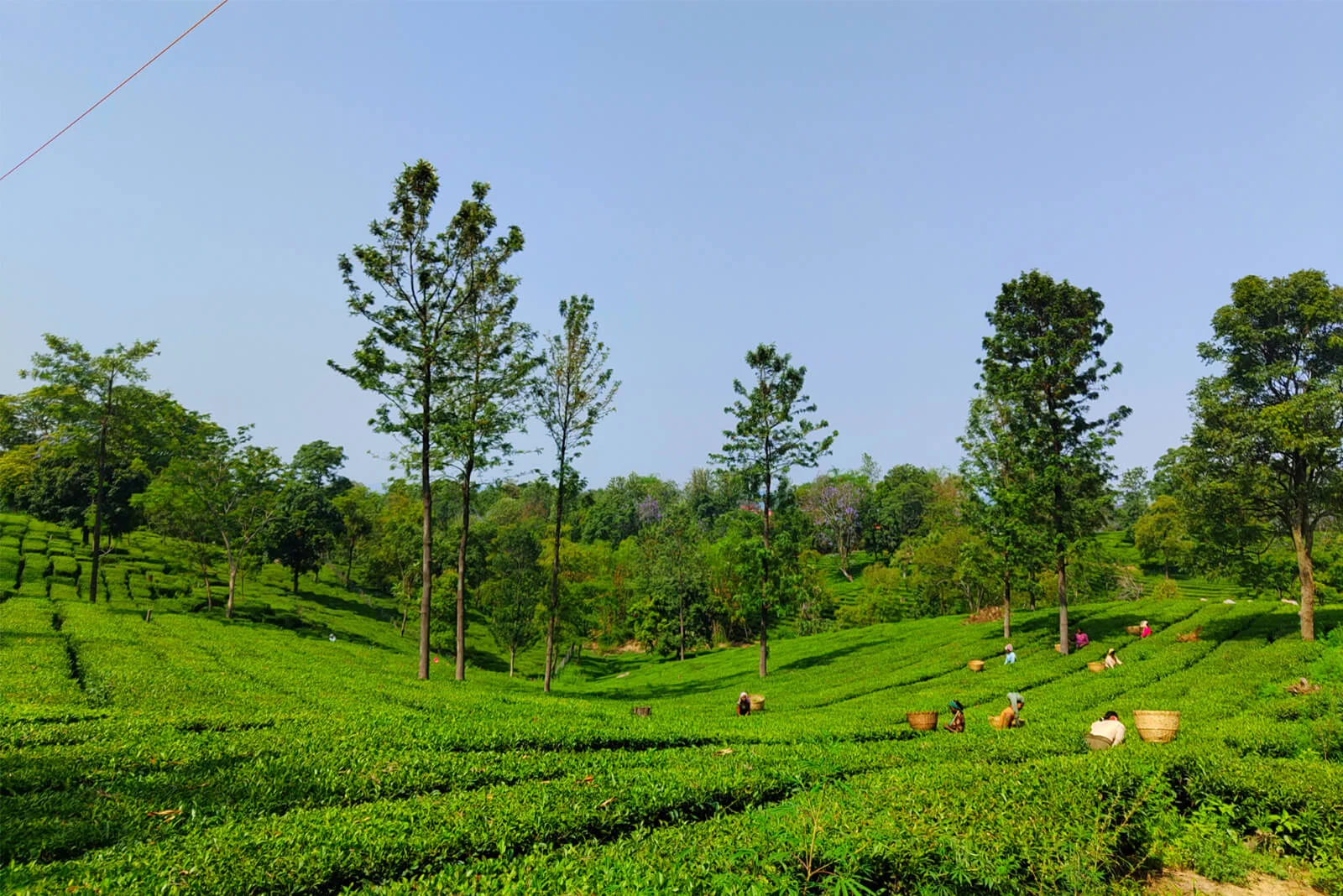
Set against the snow-clad Dhauladhar mountains in Himachal Pradesh, the Kangra Valley is a landscape of forested slopes, terraced fields and tea gardens. Often celebrated as the Valley of the Gods, it is a place where the character of the land finds expression in the cup. Tea gardens here grow at elevations of approximately 900 to 1,600 metres above sea level. The region's rainfall, terrain, soil and cool mountain conditions all contribute to the distinctive character of Kangra tea. The first flush is known for its delicate fruity aroma, while Kangra green tea is noted for its gentle woody character. These qualities reflect a close relationship between the leaf and the landscape in which it grows. Here, origin is more than a place on a map. It is an essential part of the tea itself.
Chapter 02
1849 — The Beginning of Kangra Tea
The history of Kangra tea dates to 1849, when Dr Jameson, then associated with the Botanical Gardens at Saharanpur, identified the region as suitable for tea cultivation. Commercial production followed in the early 1850s, establishing the foundations of a tea-growing tradition that would become an important part of Kangra's agricultural heritage. By the late nineteenth century, Kangra tea had gained recognition beyond India. Its quality was acknowledged with medals at international exhibitions in London in 1886 and Amsterdam in 1895. From those early plantings emerged a distinctive regional identity — one shaped by the mountains, the skill of tea makers and the enduring relationship between people and the land. More than a century and a half later, Kangra remains one of India's smaller and distinctive tea-growing regions.
Chapter 03
The Earthquake of 1905 — Loss and Renewal
On 4 April 1905, a devastating earthquake struck the Kangra region, bringing widespread destruction and severe disruption to local communities and the tea industry. The disaster marked a difficult chapter in the valley's history. Tea production faced setbacks, and the region's prominence gradually diminished as the industry struggled through the years that followed. Yet Kangra's tea heritage endured. Cultivation and tea-making continued through the efforts of growers and local producers, preserving knowledge and practices that might otherwise have been lost. Over time, renewed interest in the region helped bring Kangra tea back into wider recognition. Today, its story is not simply one of decline and recovery. It is a reminder of the resilience of a region and the lasting value of its agricultural traditions.
Chapter 04
A Heritage Recognised — GI and European Recognition
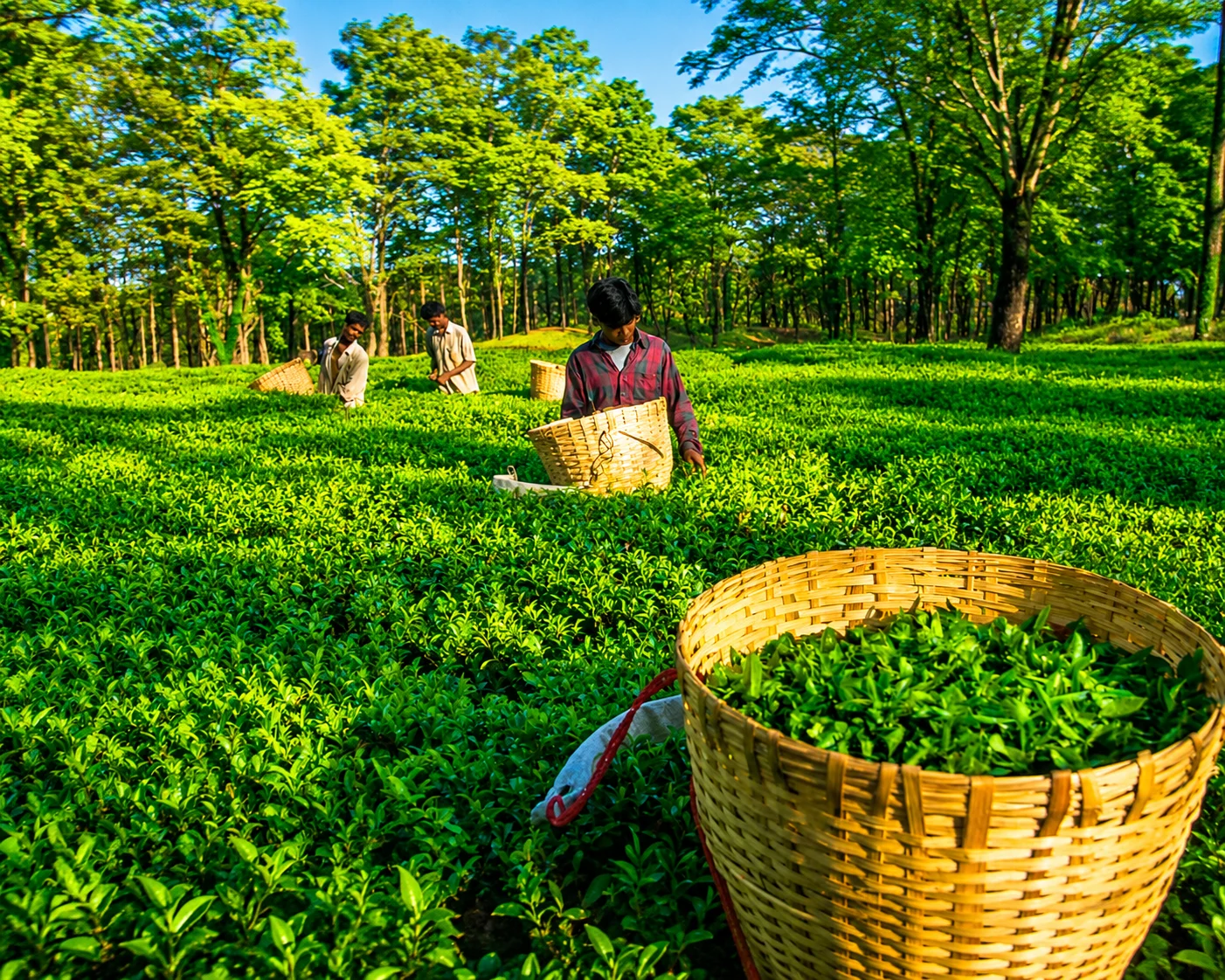
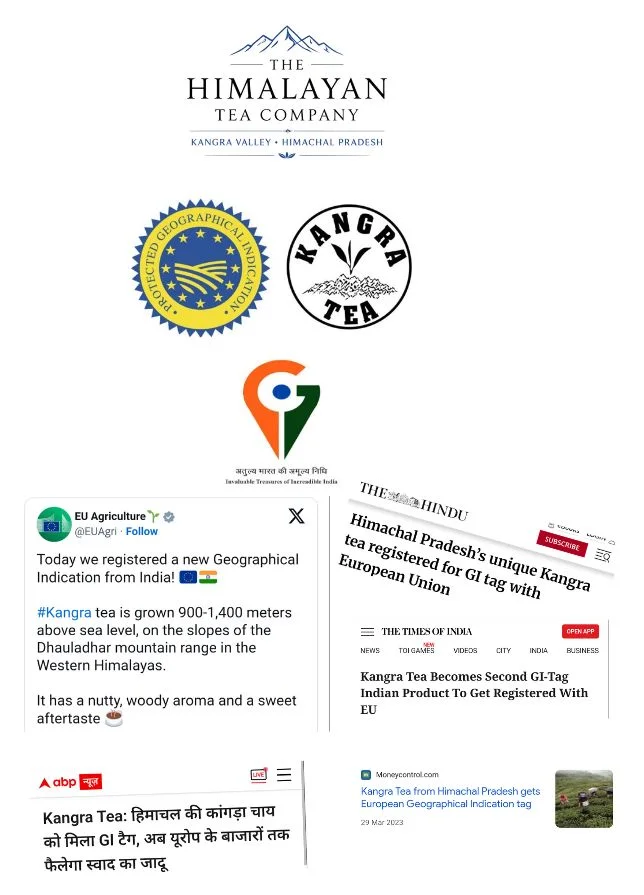
In 2005, Kangra tea received Geographical Indication (GI) registration in India, recognising its regional origin and distinctive identity. In 2023, it also received protected Geographical Indication recognition in the European Union. These recognitions affirm the connection between Kangra tea and its defined growing region in Himachal Pradesh. They distinguish the tea by its geographical provenance and the characteristics associated with that origin. Kangra tea is known for its nuanced flavour profile, which may include floral, nutty and delicate woody notes, complemented by a characteristic sweet aftertaste. The expression varies with the flush, leaf type and processing method. At The Himalayan Tea Company, we believe that exceptional tea begins with respect for its origin. Our focus is on presenting the character of Kangra through carefully selected teas, considered craftsmanship and an appreciation for the people and landscape behind every leaf.
The Long Arc
1849
First plantings in Kangra
1887
Kangra tea medalled in Europe
1905
Earthquake; industry shattered
2005
GI tag protects Kangra origin
2026
177th season in the leaf
Gifting & The Estate Table
A Thoughtful Gift, Rooted in the Himalayas
Estate gift boxes — hand-filled tins, a tasting card, and a note written at the factory desk — for weddings, festivals and corporate tables. We also supply a small number of hotels and tea rooms who pour Kangra by the pot.
Wholesale enquiries welcome — mention your establishment.