Darjeeling vs Assam vs Himalayan Tea: Why The Himalayas Brew a Story of Their Own
· 2026-08-02 ·
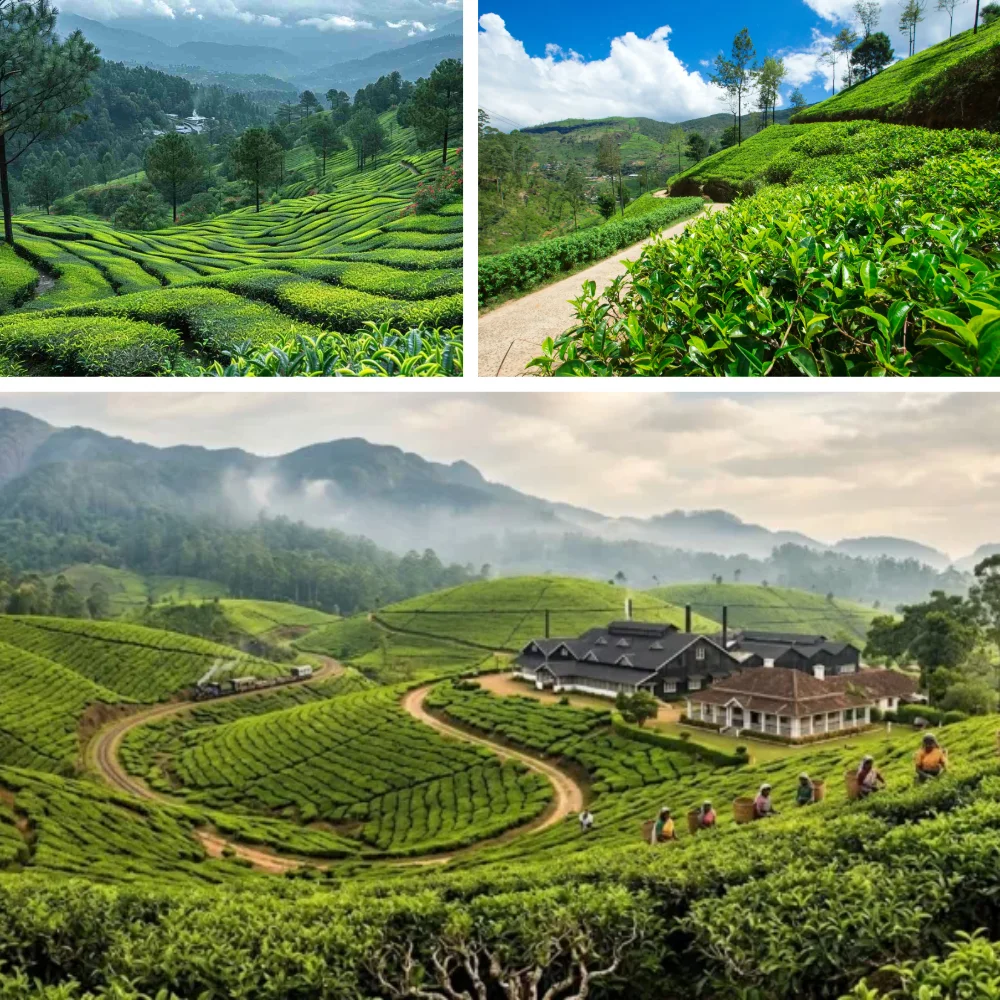
Not all teas from India taste the same—and that's exactly what makes tea so fascinating. If you've ever searched "Darjeeling tea vs Assam tea" or wondered which is the best loose leaf tea in India, you're not alone. These are among the most searched tea-related queries online today, alongside organic loose leaf tea, single-origin tea, green tea benefits, and matcha vs green tea. Interest in specialty teas and loose leaf brewing continues to grow, while matcha has also seen a sharp rise in searches in India. But here's a question most people aren't asking—yet. What makes Himalayan tea different from both Darjeeling and Assam? At The Himalayan Tea Company, we don't believe tea should be about choosing one over another. We believe every tea tells the story of where it grows. And our story begins where mist meets mountain. Three Mountains. Three Personalities. One Cup That Changes Everything.
Think of Indian tea like music
• Assam is the deep, powerful bass. • Darjeeling is the delicate violin. • Himalayan tea is the soulful flute—gentle, layered, and unforgettable. The difference isn't just geography. It's altitude, climate, soil, craftsmanship, and how the leaves are handled after they're plucked. Let's taste the journey.
Assam Tea: The Bold Morning Wake-Up Call
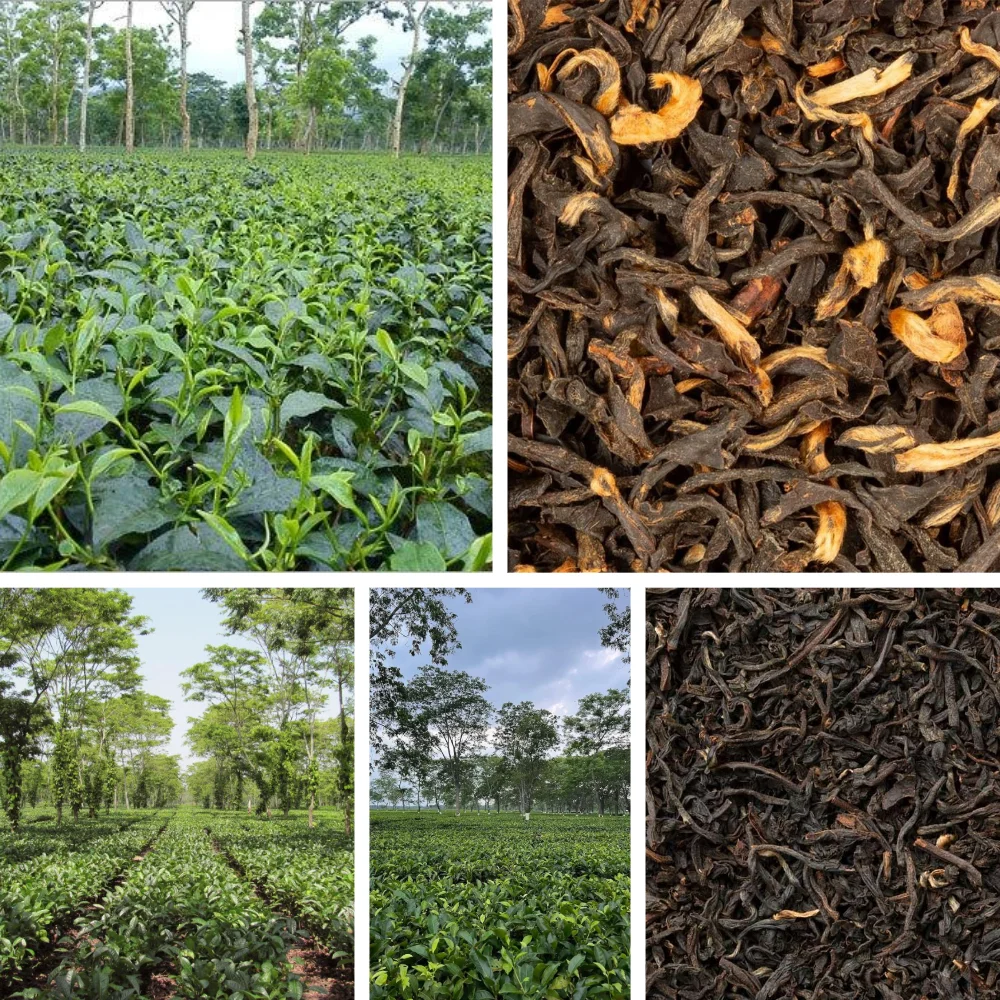
Assam tea is grown in the lush lowlands of Northeast India, where warm temperatures, rich soil, and abundant monsoon rainfall create ideal conditions for cultivating large, hearty tea leaves. This unique terroir gives Assam tea its signature boldness and depth, making it one of the world's most loved strong black teas. Every sip offers a rich, malty, earthy flavour with a full-bodied finish that feels comforting and energising at the same time. Known for its naturally higher caffeine content compared to more delicate teas, Assam loose leaf tea is the perfect choice for a morning pick-me-up. Its robust character stands up beautifully to milk and spices, which is why it forms the base of traditional masala chai, creamy milk tea, and classic English Breakfast tea blends. If your idea of the perfect cup is strong, flavourful, and satisfying, Assam tea is a timeless favourite that never disappoints.
Darjeeling Tea: The Champagne of Teas
Grown in the misty hills of the eastern Himalayas, Darjeeling tea is one of the world's most celebrated teas. The cool climate and high altitude slow the growth of the tea leaves, allowing them to develop a delicate flavour, rich aroma, and remarkable complexity. Often called the "Champagne of Teas," Darjeeling is known for its light to medium body and signature floral, fruity, and muscatel notes. Unlike stronger black teas, it is smooth, elegant, and best enjoyed without milk so its natural flavours can truly shine. Darjeeling is also famous for its First Flush and Second Flush harvests. First Flush teas are fresh, light, and floral, while Second Flush teas are fuller-bodied with the distinctive sweet muscatel flavour that makes Darjeeling unique. If you enjoy a fragrant, refined cup of tea with subtle layers of flavour, Darjeeling tea is a perfect choice.
Kangra Tea: Where Nature Slows Everything Down
Kangra tea is a celebration of the mountains. Grown across the pristine Himalayan foothills, these tea gardens thrive in high altitudes, mineral-rich soil, crisp mountain air, and a slower-growing climate. This unique environment allows the tea leaves to develop deeper flavours, richer aromas, and a naturally smooth finish. At The Himalayan Tea Company, we source our teas directly from these Himalayan estates, bringing you teas that reflect the purity and character of the region. Every cup captures the freshness of the mountains and the craftsmanship of traditional tea making. What makes Kangra tea truly different is the way it is produced. Unlike mass-produced teas crushed for tea bags, Himalayan teas are often orthodox loose-leaf teas, with whole leaves carefully handpicked and gently rolled. This helps preserve the tea's natural essential oils, resulting in a cleaner, more flavourful brew you can steep multiple times. Himalayan tea isn't just a drink—it's a slower, richer tea experience that unfolds with every infusion.
Single-Origin Tea: Why Your Cup Should Have an Address
Imagine buying honey without knowing where it came from. Wouldn’t you want to know which flowers the bees visited and where it was produced? Tea deserves the same transparency. At The Himalayan Tea Company, our teas are sourced from carefully selected Himalayan estates rather than being blended indiscriminately from different regions. This allows each tea to retain the unique character of its place of origin. Every harvest carries the influence of its soil, elevation, rainfall, season, and craftsmanship. This is the essence of single-origin tea—tea with a clear sense of place and a story that can be traced back to its source. Beyond Black Tea: Discover the Himalayan Tea Experience Tea today is no longer limited to the traditional cup of chai. As more people explore specialty teas, they are discovering the world of green tea, matcha, Japanese matcha, white tea, oolong tea, and organic loose leaf tea. Among these, matcha has gained considerable attention, particularly in India, as tea drinkers explore mindful brewing, premium ingredients, and new ways to enjoy their daily cup. At The Himalayan Tea Company, we believe there is no single way to enjoy tea. From ceremonial-grade matcha and Himalayan green tea to handcrafted black tea, white tea, and carefully selected herbal infusions, our collection is chosen with a focus on origin, quality, and flavour. Our philosophy is simple: choose quality over trends, and let the tea speak for itself. How to Brew Himalayan Tea for the Best Flavour A beautiful tea deserves a little care while brewing. The right temperature and steeping time can bring out the natural aroma, sweetness, and character